
Eating Disorder Recovery in the Age of GLP-1s
Written by Dr. Colleen Reichmann- clinical psychologist, and director of Wildflower Therapy
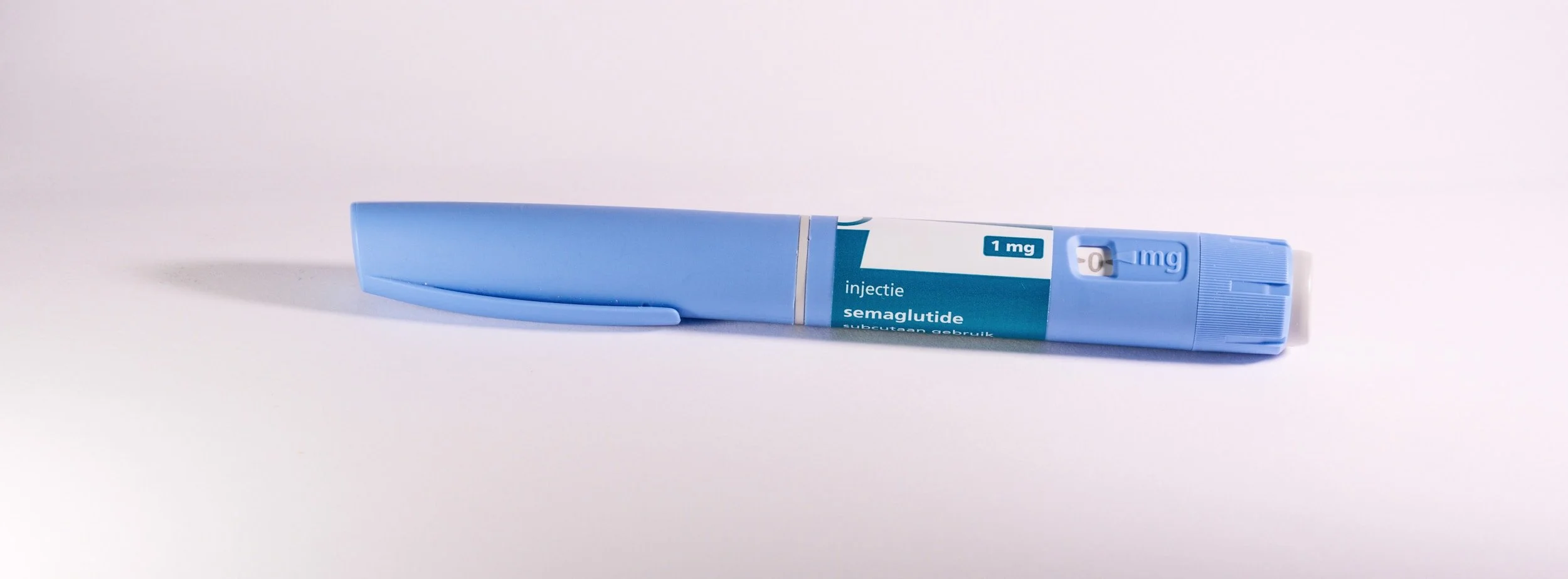
If you are in eating disorder recovery right now, it might feel like the cultural conversation about bodies has gotten louder again. Not long ago, we were starting to see more nuance in discussions about body image and diet culture. And now, seemingly overnight, weight loss is trending again, this time in the form of medications like Ozempic, Wegovy, and other GLP-1 drugs.
For some, especially those who need help with diabetes management, these medications are medically appropriate and genuinely helpful. That’s important to say upfront. But if you’re someone recovering from an eating disorder, the surrounding cultural noise-the excitement, the constant commentary, the before-and-afters, the “have you tried it?” conversations- can make recovery feel more complicated.
If that’s the case for you, you’re NOT imagining it. And you’re not failing at recovery. You’re navigating recovery in a WILD, totally unprecedented season of the diet culture timeline.
Let’s talk about why it feels so prickly right now.
Why GLP-1 Culture Can Complicate Eating Disorder Recovery
GLP-1 medications are now part of everyday conversation in a way we rarely see with medical treatments. People talk about them at dinner parties. In group texts. In workplace kitchens. On podcasts. On TikTok. And much of the conversation centers on one thing: weight loss.
For someone recovering from an eating disorder, this can bring up several difficult dynamics.
1. The Cultural Reinforcement of Thinness
Eating disorder recovery often involves doing the brave, countercultural work of loosening the grip of weight obsession.
Recovery asks you to practice believing that your worth is not tied to your size. But when the culture suddenly seems hyper-focused on weight again, it can feel like the world is saying the opposite.
It’s exhausting to do recovery work when the background noise keeps whispering:
Maybe smaller really IS still better…
2. The “Shortcut” Narrative
Another common narrative around GLP-1 medications is the idea that they make weight loss “easy.”
For someone who has spent years wrestling with food, body image, and recovery, hearing this can stir up complicated feelings:
Is this a way for me to engage with weight loss that won’t hurt me like my ED did?
Would things have been different if this existed earlier?
These thoughts are incredibly common and incredibly human.
But eating disorder recovery truly does have to involve at least some loosening of the need to micromanage and shrink your body. It’s the meaningful work of building a life that isn’t organized around food, weight, and control. That work remains deeply worthwhile, even if these medications would provide a different route to weight loss. I know this is such a hard pill to swallow, but your brain chemistry that made you susceptible to an eating disorder still exists, so any pursuit of energy reduction likely still does make you vulnerable to a relapse.
3. The Return of Public Body Commentary
Another thing many people in recovery are noticing: body commentary is creeping back into everyday conversation.
People are noticing who has lost weight. They’re speculating about medications, and discussing appetite suppression and “food noise,” in casual conversation.
For someone healing their relationship with food, this can feel like being pulled back into a world they worked hard to step away from.
Keeping Your Eyes on Your Own Recovery Path
One of the hardest parts of eating disorder recovery is learning that your path does not have to match the culture around you.
Your recovery might look like:
Learning to eat consistently again
Letting go of rigid food rules
Gaining weight your body needs
Trusting hunger cues again
None of that becomes less meaningful because other people are pursuing weight loss. Recovery is not invalidated by trends. In fact, staying committed to recovery in a culture obsessed with shrinking bodies is an act of incredible rebellion.
Creative Ways to Tune Out the “Thin Noise”
If GLP-1 conversations are starting to creep into your mental space, it can help to get intentional about protecting your recovery.
Here are some strategies I often suggest to clients in eating disorder therapy:
1. Curate Your Social Media Like Your Recovery Depends on It (Because It Does)
The algorithm will feed you whatever keeps you watching.
If you linger on weight loss content, even out of curiosity-it will send you more.
Consider:
Muting accounts that discuss weight loss medications
Following body-neutral or recovery-focused creators
Taking short breaks from platforms when the noise gets loud
Your digital environment matters more than you think.
2. Create a “Body Talk Exit Plan”
It’s completely okay to opt out of body and weight conversations.
You might try phrases like:
“I’m trying to focus less on body stuff these days.”
“I’m working on my relationship with food, so I try not to get into weight conversations.”
“I’d rather talk about literally anything else.”
You’re allowed to protect your mental space.
3. Remember That Recovery Is About Freedom, Not Weight
When the culture gets loud about weight loss, it can help to gently remind yourself what recovery has already given you.
Maybe it’s:
Eating dinner with friends without panic
Going on vacation without food rules
Having mental space for relationships and creativity
Feeling more present in your life
These things are not small.
They are the actual goal.
4. Shrink the Cultural Conversation Back Down to Size
Sometimes it can feel like everyone is talking about weight loss medications.
But in reality, the loudest conversations online often represent a narrow slice of the world.
Your recovery world might be much bigger than the internet.
It might include:
Friends who don’t talk about bodies
Therapists who support your healing
Communities that value people beyond appearance
It’s okay to anchor yourself there.
A Gentle Reminder
Eating disorder recovery is not about winning the cultural argument about bodies. It’s about building a life where food, weight, and body size take up less and less space in your mind.
Yup-even if the culture temporarily swings back toward weight obsession. Even if the headlines change. Even if diet culture finds new disguises.
Your recovery is still valid. Your healing is still real. And the freedom you’re building is still worth protecting.
If you’re struggling with eating disorder recovery in a world that feels newly obsessed with weight loss, working with an eating disorder therapist can help you stay grounded in your own path.
At Wildflower Therapy, we provide compassionate, evidence-based eating disorder therapy in Philadelphia and throughout Pennsylvania and various other states via virtual therapy. Our work focuses on helping people rebuild trust with food, their bodies, and themselves.
You deserve a life that feels bigger than body size.

Reach Out Today!
At Wildflower Therapy, we specialize in working with children, teens, adults struggling with body image and eating disorders (as well as parents and caregivers navigating children or teens who are struggling with eating disorders, body image concerns, highly selective eating, and the emotional toll of caring for a struggling child).
Our therapists also support children, teens, adults, and families who are navigating things like ADHD, anxiety, depression, OCD, emetophobia, and maternal mental health/infertility.
We provide therapy in Philadelphia (and virtually for anyone in Pennsylvania, New Jersey, Delaware, Florida, South Carolina, Vermont, Virginia, Ohio, and Massechusetts.) We work with children, adolescents, and adults. We are neurodivergent-affirming, queer-celebratory, and feminist-relational in our work.
If you’re looking for therapy for your child or yourself in one of the states mentioned above, or are seeking virtual parent coaching or consultation anywhere in the world, we invite you to reach out for your free consultation call.