
Why Is Everyone Suddenly So Thin? A Discussion of This New Season of Body Pressure
By Dr. Colleen Reichmann, owner and clinical director of Wildflower Therapy
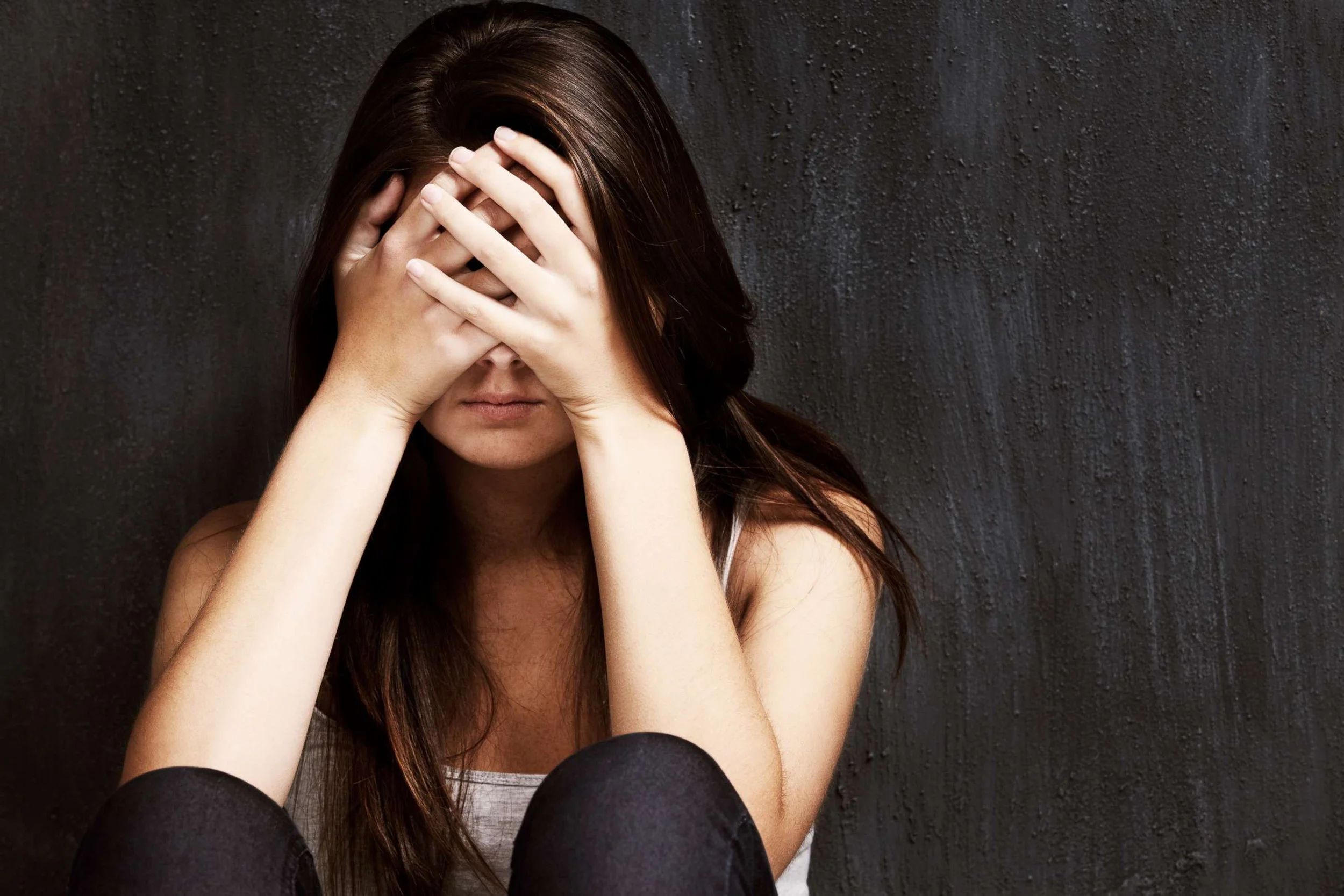
If you arrived here because you were searching “Why is everyone suddenly so thin?”, I want to begin by saying something gently but clearly: You’re not imagining it. You’re not overreacting.
I find it frustrating when I hear this conversation get immediately shut down by someone saying something along the lines of “lol- thinness has never NOT been something we are all obsessed with.” Because while this is true on one level, it’s also true that the obsession has gone rogue recently. Something has shifted in our culture-and you’re probably feeling it in your body, your nervous system, your social world, and maybe even your eating dissorder recovery.
If this shift feels triggering, destabilizing, confusing, or even frightening… that makes complete sense. We are living through a moment where the cultural pendulum has swung sharply, dramatically, and loudly away from body positivity (fragile though it may have been) and toward a thinner-is-better aesthetic. And for those in eating disorder recovery, or those who have lived with lifelong body shame, this can feel like a rug pulled out from underneath you.
So let’s talked about how to stay rooted in your recovery, even in a world that suddenly feels like it’s applauding thinness again.
You’re Not Imagining It: The Cultural Pendulum Has Swung Back
There was a period, not long ago, when body positivity, body neutrality, and “all bodies are good bodies” messaging had finally made its way into mainstream spaces. Let’s travel back for a moment to 2018/2019.
Larger-bodied creators were being centered. Stretch marks and cellulite were appearing in clothing ads. The conversation was evolving in ways that felt radical and hopeful. It finally felt like maybe, maybe, society was cracking open.
But culture rarely moves in a straight line, does it? Le sigh. It moves in swings. And right now, we are witnessing a very real, very visible swing back toward thinness as the ideal. How do we know?
Fashion magazines are spotlighting “heroin chic is back.” Y2K trends of low-rise jeans and crop tops have reemerged. The “clean girl aesthetic” is being touted everywhere (you know, the one that celebrates minimalist, disciplined, tidy, and tiny …) Celebrities who once embraced “curvy culture” have become dramatically smaller. And, of course, weight-loss medication has become so normalized and popular that is it even joked about casually on social media.
It’s not your imagination.
The air has shifted. And if you feel a deep pang-maybe envy, maybe grief, maybe fear- please know that it is okay to name it.
The Weight-Loss Drug Era:One of the Silent Forces Behind This Return to Thinness
We cannot talk about this shift without acknowledging the enormous cultural impact of GLP-1 weight-loss medications like Ozempic, Wegovy, Zepbound, and others. These drugs have changed the cultural body landscape almost overnight. People are shrinking rapidly, publicly, and with praise. Thinness is suddenly more accessible to people with money, privilege, or proximity to prescribers.
Social media is awash with “before and after” glow-ups. Celebrities discuss it often- sometimes with a wink that’s not quite a confession but not quite denial either, but often times they are just openly talking about using this medication.
And the result of all of this is a society where being thin has become, once again, a symbol of:
Discipline
Wealth
Social belonging
“Health” (in quotes, intentionally)
Upward mobility
Access
We’ve created a new kind of class marker: thinness via modern pharmaceutical means. And that affects every one of us- especially those who continue to live in larger bodies and those who live in recovery from an eating disorder.
When you’re recovering from something society suddenly incentivizes again, it can feel like trying to swim upstream while the current is pulling harder than before.
This is not a personal failing. This is a cultural storm.

The Political Climate Is Part of This Story, Too
There is another layer here-one that we MUST talk about, and not. stop. talking. about.
Periods of political conservatism often correlate with the rise of thinness as the beauty ideal. Historically, in more conservative eras:
Bodies are policed more harshly.
There is greater social pressure toward conformity.
“Rigidity” becomes morally coded.
Control is glorified.
Femininity is idealized as small, contained, and disciplined.
Deviating from norms becomes more stigmatized.
In moments like the one we find ourselves in here in the United States-where politics are being defined by conservativism and christian fundamentalism-m political conversations revolve around control, restriction, and “traditional values.” So the desire for smaller bodies by default simple becomes part of the cultural air we breathe.
Thinness becomes symbolic:
of being in control
of being “good”
of being responsible
of moral virtue
of fitting in
of being acceptable
And this symbolism is deeply dangerous for people who are recovering from eating disorders. Because your brain knows these messages. Your body remembers them. And your eating disorder definitely hears them. This is part of why everything feels harder right now.
So… What Do You Do When the World Gets Thinner and Your ED Gets Louder?
Let’s take this piece by piece. Gently. Slowly. And with so, SO much compassion for that part of you that feels shaken.
Below are just a few ways to ground yourself and protect your recovery in this current cultural moment.
1. Name the Cultural Air Instead of Blaming Yourself
When everyone around you is shrinking, it’s natural to think: “Why not me? Should I be doing something different? Maybe I’m the one who is wrong. Maybe I was just being dramatic with the whole eating disorder thing. Maybe thinner really is better again. Maybe recovery is just…obsolete?”
Pause.
Your body is NOT the problem. The culture is. Facism is. Our need to always be focusing so much on weight and appearance in this society is.
And when you name the pressures around you, they lose some of their power. They become “out there,” not “inside you.” Then, you can begin to notice them as part of the cultural noise, instead of your own values. You can reorient to YOUR values, not that noise.
Say to yourself:
“This is a cultural shift, not a personal failure.”
2. Limit Exposure to Body-Centric Media Right Now
This isn’t avoidance, I promise. It’s just smart protection. So be intentional about curating your feeds. liberally mute and/or unfollow triggering accounts. Mute people who are posting constant transformation photos. Take a whole damn break from TikTok or Instagram if needed. Treat your digital environment like your living space: If it harms you, it doesn’t belong in your home.
3. Connect with People Who Support Body Neutrality and Recovery
We need counterculture communities now more than ever. Friends who don’t talk about dieting. Therapists who specialize in body image therapy. Support groups. Anti-diet creators. Eating disorder recovery spaces. People who celebrate intuitive eating, and values-based living.
At Wildflower Therapy in Philadelphia, our eating disorder therapists see this exact struggle every day. Our work centers on helping clients navigate triggers, shame spirals, and the intense pressures of this moment.
You don't have to carry this alone.
4. Anchor Yourself in Your Values, Not the Trend Cycle
Your values might include things like:
freedom
joy
connection
nourishment
presence
creativity
strength
aliveness
raising kids with healthy messages
modeling body neutrality
Thinness is not a value.
It is a trend.
A cultural preference (with the focus on hyper thinness being a very fickle one)
Ask yourself:
“What actually matters to me in this life? What brings me lasting peace? Which actions are in alignment with that peace, and which have traditionallty been one way streets for me?” And then choose actions that align with that, not with the cultural noise around you.
5. Practice Compassion for the Parts of You That Still Want Thinness
This is important, so let’s slow down: You are not “bad” for wishing your body were smaller. You are not “wrong” for wanting belonging, ease, or praise. You are not failing recovery because the thin ideal still whispers to you. Those desires are learned, and they come from decades of conditioning. Instead of pushing the thoughts away, try saying:
“Of course I feel this way. This is all so loud right now, and it’s activating old neural pathways that were pretty strong at one point. And I can still choose recovery.”
Remember: self-compassion doesn’t weaken recovery. It strengthens it.
6. Remember That Eating Disorder Recovery Is Never Easy in a Pro-Thin Culture, But That Doesn’t Mean It’s Not Worth It
When the world glorifies the very behaviors you are healing from, recovery becomes a radical act.
You are choosing:
nourishment
softness
presence
connection
freedom
alignment
mental clarity
emotional health
life
…in a world that wants you to choose smallness.
That is courage. You may not feel brave, but you are practicing bravery every single day you stay committed to healing in a culture that is designed to pull you backward.
7. Seek Support If This Cultural Shift Is Triggering Old Patterns
If you are: body checking more, comparing constantly, skipping meals, considering dieting again, obsessing over weight loss drugs, feeling shame around your body, spiraling into old urges, feeling distressed at the gym, avoiding mirrors, or otherwise feeling hyperaware of your size…this is not a failure.
These are signals. And signals deserve support, not self-judgment.
At Wildflower Therapy in Philadelphia, we offer:
Support for navigating cultural triggers
A space to unpack the impact of weight-loss drug culture
Our therapists understand how destabilizing this moment is. You don’t have to brave it in silence.
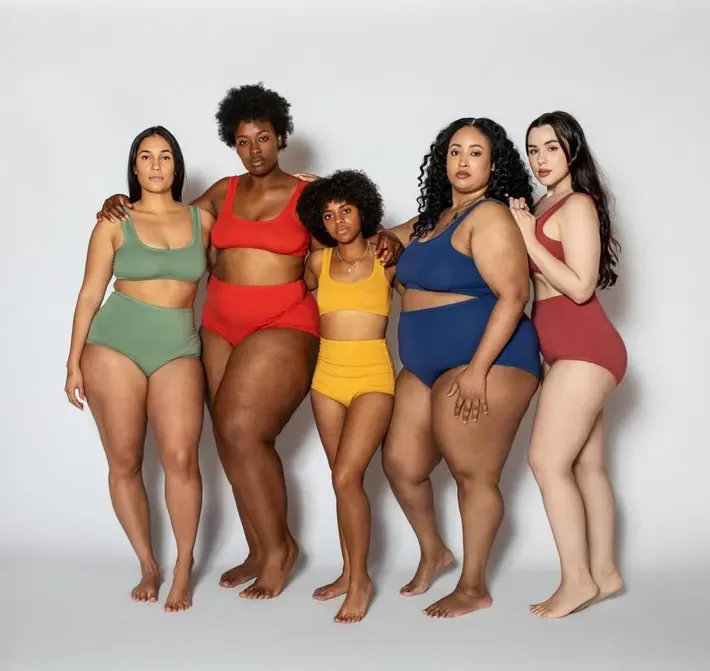
You Are Not Falling Behind. You Are Moving Toward Yourself
Please, please hear me when I say this: You are not falling behind. You are not missing out (dieting is always freaking miserable work, eating disorder or not) You are not failing. You are living through a cultural moment where thinness has returned as a form of capital. And choosing recovery in a season like this is not easy, linear, or glamorous.
But it is courageous. And possible.
Your body is not a trend. Your worth is not conditional. Your life is so much bigger than what body type is currently in vogue. And your recovery deserves protection.
Take a breath. Place a hand on your heart. Let yourself feel the truth of this:
You deserve peace in your body, even in a world that’s obsessed with shrinking.
And if you need support navigating this cultural moment, or if your recovery feels shakier than it used to, Wildflower Therapy in Philadelphia is here for you. Our team of eating disorder therapists specializes in helping people find grounding, healing, and self-compassion, no matter what the current beauty ideal demands. We specialize in eating disorder and body image therapy in-person in Philadelphia, or virtually anywhere in Pennsylvania, New Jersey, Delaware, Florida, South Carolina, Vermont, Virginia, Ohio, and Massechusetts.
You are not alone in this.
You are not imagining this.
And you deserve support that honors every part of your journey. Reach out today for your free consultation call.