
Written by Dr. Colleen Reichmann, owner and clinical director of Wildflower Therapy

I just want to name this right off the bat- there is a very specific kind of anxiety that can come with the idea of eating disorder recovery if you are an athlete, a runner, a weightlifter, a personal trainer, or someone whose life revolves around movement. This is something that I understand deeply after being a psychologist in the eating disorders field for over a decade.
I have heard so many people struggle with a volley-ball match of thoughts that sound something like this:
“I think my relationship with food is becoming a problem. I spend way too much time thinking about what I'm eating, whether I've eaten too much, whether I've exercised enough to make up for it, and what my body looks like….
“BUT I also really love working out. I love running. I love lifting. I love feeling strong. I don’t want to give that up!”
(0r)
“BUT I am a D-1 athlete and my entire scholarship relies on my participation in movement. I don't want to give that up. I also…cant?”
Perhaps the biggest fear underneath all of that:
“If I start eating disorder therapy, is someone going to tell me I have to stop exercising? Am I going to have to give up the thing that makes me feel most like myself? Is this person going to understand that not working out at all is not an option?”
If this sounds familiar, I want you to lean in close for this part, because it feels super important: You do not automatically have to give up movement as a part of your life all together in order to work toward a healthier relationship with food and your body.
In fact, one of the things I think gets lost in conversations about eating disorder recovery is that many people who struggle with disordered eating do genuinely love being active! They love the feeling of getting stronger, the camaraderie of a running group, the satisfaction of reaching a new personal record, the mental clarity that comes after a workout, or the feeling of being part of a team. Exercise is pretty often a meaningful part of their identity, their friendships, their profession, and their sense of belonging.
So please hear me when I say that the goal of eating disorder therapy (at least at our practice!) isn't necessarily to take those things away. It's to help you figure out how to pull apart the pieces that still bring something meaningful to your life, while disengaging from the ones that are totally tangled up with rules, fear, and guilt.
(And if you've ever spent 45 minutes negotiating with yourself about whether you are allowed to eat dinner because you didn't get your planned workout in, or forced yourself to get to that gym session even though you have a horribly painful kidney infection, you probably know exactly what I mean.)
When Something You Love Starts to Feel Like Something You Have to Do
There is a difference between enjoying nutrition and feeling like every meal needs to be optimized, tracked, weighed, or somehow earned. Similarly, there is a difference between loving exercise and feeling unable to take a day off. You probably will always want to feel strong and capable- and if you’re an athlete, like you are good at your sport. But what starts to hurt people is when they begin to experience their body as a project that requires constant supervision.
Sometimes these distinctions are difficult to recognize, particularly when the behaviors themselves are socially rewarded. We live in a culture that tends to celebrate discipline, consistency, clean eating, early morning workouts, and the ability to push through discomfort. (As someone who used to wake up at 5 a.m. to run six miles before work, I can attest to how this kind of behavior tends to receive rounds of applause, long after it stops feeling like a choice.)
But what happens when the thing that looks like dedication from the outside feels like a prison from the inside? For athletes and fitness enthusiasts, disordered eating can be particularly difficult to identify because many of the behaviors associated with eating disorders overlap with behaviors that are normalized in athletic environments. Tracking calories and macros, monitoring body composition, carefully planning meals, exercising through discomfort, and prioritizing training above almost everything else can all be framed as evidence of commitment.
And sometimes, these behaviors genuinely do begin as an attempt to improve athletic performance or feel healthier. But over time, the motivation can shift. Exercise becomes less about enjoyment and more about managing anxiety. Food becomes less about nourishment and more about control. Rest becomes something to feel guilty about. A missed workout can feel like a personal failure rather than an ordinary Tuesday.
Over time, some athletes find themselves becoming obsessional… thinking about food while working, exercising while thinking about food because they are so hungry, and thinking about waking up for the next workout while they’re trying to fall asleep. Over time, the thing that started out so joyful, and was supposed to make their life bigger, started to take up on a darker tone, and way more brainspace than feels doable.
This can happen to competitive athletes, recreational runners, people who lift weights, dancers, cyclists, yoga instructors, personal trainers, and people who simply enjoy going to the gym. You don't need to compete at an elite level to experience an unhealthy relationship with exercise or food. And, I would be remiss if I did not remind you: you certainly don't need to “look” a certain way to deserve help for this.
The Fear That Eating Disorder Recovery Means Losing Your Athletic Identity
One of the things I find especially important when working with athletes is understanding just how much of their identity may be wrapped up in movement. Because for some people, being an athlete isn't simply something they do. It's a fundamental part of how they understand themselves. It's how they make friends, manage stress, connect with their bodies, challenge themselves, and feel a sense of accomplishment. For personal trainers and fitness professionals, it may also be their career. This is worth naming here! If your livelihood is connected to movement, it is understandable to feel cagey about trying to get help for your relationship with movement! It’s very tricky when your body and your relationship with exercise is this closely connected to your professional life.
When considering eating disorder therapy, it makes sense to worry about what recovery will ask you to sacrifice.
Someone who is an athlete may picture a therapist telling them to stop running, stop lifting, stop tracking their progress, or stop participating in the fitness community that has given them so much. They might worry that eating more freely will change their body in ways that feel frightening. They may fear losing strength, endurance, performance, or the feeling of being in control.
These fears deserve to be taken seriously. I cannot say this strongly enough. They shouldn't be brushed aside with a cheerful reminder that health is about more than appearance. Because of course it is. But when you've spent years building an identity around your athleticism, the possibility of changing your relationship with exercise can feel like a much bigger undertaking than simply changing your workout schedule.
This is one reason finding an eating disorder therapist who understands athletes can be so important. You want someone who understands that your relationship with exercise is complicated, not someone who assumes that all exercise is inherently problematic or that the solution is to convince you to become a person who would rather spend Saturday morning on the couch.
(Although, for the record, Saturday morning couch people are also doing just fine- heyo from my couch over here!)
The point is that recovery should make room for the parts of your identity that are meaningful to you. It should also create space to examine the parts that have become painful, rigid, or driven by fear.
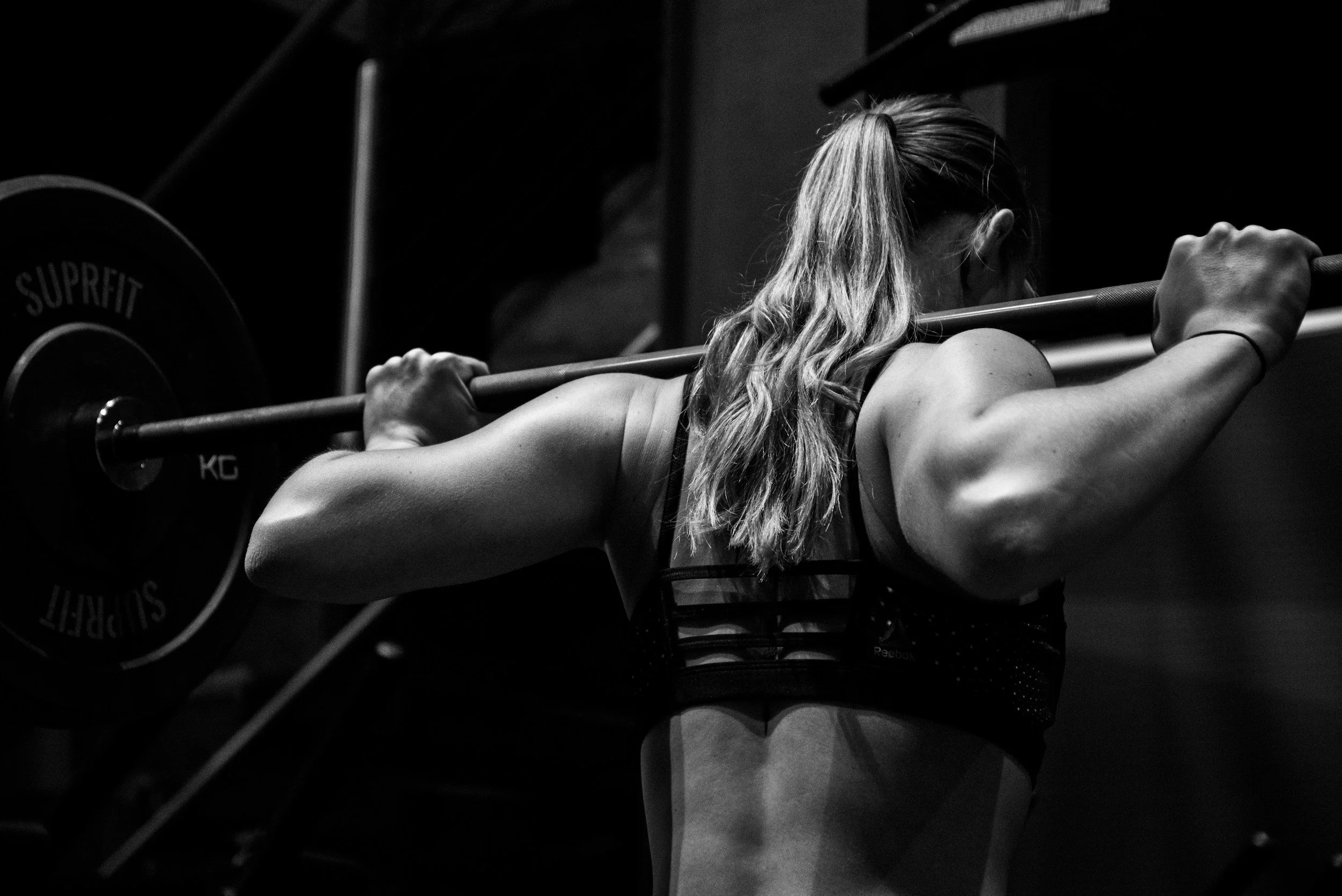
What If I Want to Keep Working Out?
This is a question that comes up often, and the honest answer is that it depends on the individual, the severity of the eating disorder, and what is happening physically and psychologically.
For some people, particularly those experiencing significant medical complications, undernutrition, injuries, or compulsive exercise, a period of reduced activity or a temporary pause from certain forms of exercise may be medically necessary. Medical safety is of course always important, and can be impacted by eating disorders and exercise compulsion, so decisions about exercise restrictions should be made collaboratively with an appropriate medical team.
But I can truly say as someone working in this space every single day-eating disorder recovery isn't synonymous with pausing exercise for all clients. Nor is it synonymous with giving up movement forever.
For many people, an important part of treatment is gradually developing a different relationship with exercise. This might mean learning to recognize when you're exercising because you genuinely want to versus when you're exercising because you feel anxious, guilty, or afraid of what might happen if you don't. It might be changing up the kinds of movement you engage in, or adapting your training schedule to lighten it for a period of time. It might mean learning to tolerate a rest day without spending the entire day mentally calculating how to compensate. It might mean noticing that your body is asking for something different than what your training plan says.
It can also mean learning to fuel your body adequately, even when doing so feels uncomfortable or unfamiliar. And this is an especially important piece for athletes. Your body needs energy to do the things you're asking it to do. Underfueling can affect concentration, mood, recovery, strength, endurance, injury risk, and overall health. Relative Energy Deficiency in Sport (RED-S) is one example of what can happen when an athlete consistently doesn't consume enough energy to support both daily life and physical activity.
Sometimes, the person who is most committed to training is also the person who has the hardest time giving their body what it needs to recover from that training.
Please know that you can be incredibly knowledgeable about exercise physiology and still struggle to give yourself permission to eat enough. You can teach other people about strength and conditioning while privately feeling terrified of taking a rest day. You can understand, intellectually, that food is fuel while simultaneously feeling like you've done something wrong if you eat more than you planned.
Knowledge and behavior don't always travel together. (My God, if they did, therapy would look more like a classroom and book set-up.)
In all seriousness, this is where eating disorder therapy can help, though. Not by handing you another set of rules, but by helping you understand the thoughts, fears, and patterns that make it difficult to respond to your body's needs.
When You're a Personal Trainer or Fitness Professional
I also want to make explicit room for the people whose relationship with exercise is complicated by the fact that it's their job. If you're a personal trainer, fitness instructor, strength coach, or someone who works in the fitness industry, you may feel an additional layer of pressure to have your own body and eating habits figured out.
You might feel like you need to look a certain way to be credible. You may worry that clients, colleagues, or other fitness professionals are judging your body. You might feel uncomfortable talking about your own struggles because you're supposed to be the person helping other people develop healthy habits.
And perhaps you feel like a bit of a fraud when you spend your workday encouraging clients to nourish themselves and take care of their bodies, only to go home and negotiate with yourself about whether you've eaten too much.
There can be a lot of shame in that experience. But again, let’s just go back to that idea that being knowledgeable about fitness doesn't make you immune to disordered eating. In fact, working in an environment where food, exercise, and body composition are constantly discussed can make it particularly difficult to step back and examine your own relationship with them.
You deserve a space where you don't have to be the expert. Where you don't have to explain why a rest day feels so uncomfortable or why eating a meal without knowing its nutritional breakdown makes you anxious. Where you can talk honestly about the pressure you feel to maintain a certain appearance without worrying that someone will misunderstand your love of fitness.
You can be a good trainer and have a complicated relationship with food. You can be passionate about strength and still struggle with body image. You can help other people build healthy habits while working on your own. None of those things makes you a hypocrite. They make you human.
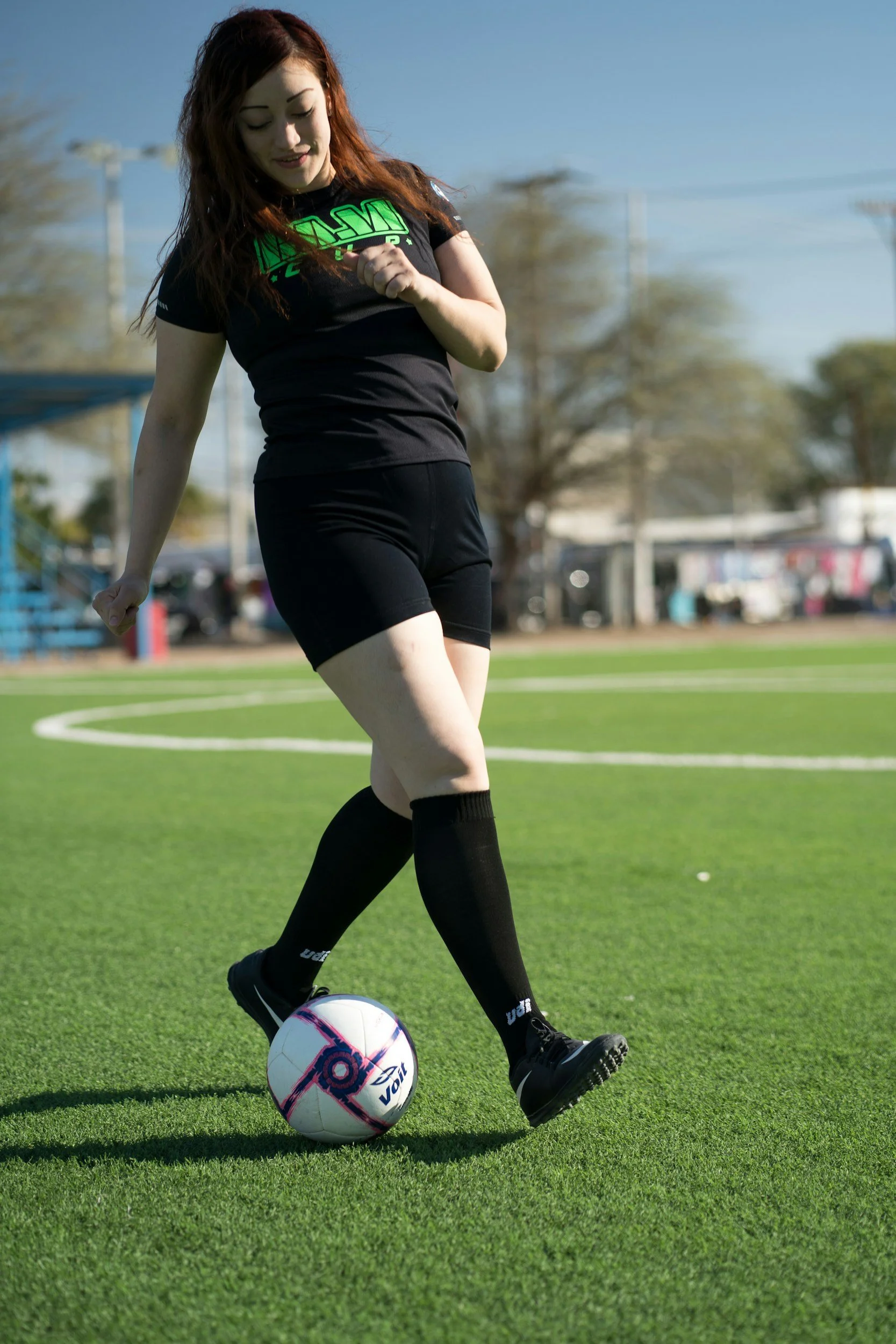
What Does Eating Disorder Therapy for Athletes Actually Look Like?
When working with someone who identifies strongly as an athlete or fitness enthusiast, I think it's important to understand the role that exercise, food, and body image play in the context of their larger life. Rather than assuming that the goal should be to eliminate exercise or change someone's relationship with fitness entirely, therapy can help explore what is happening underneath the behaviors.
For example, we might look at what happens emotionally when you miss a workout, eat something unexpected, or notice a change in your body. We might explore whether your food choices are driven by hunger, enjoyment, and nourishment, or whether they're increasingly dictated by anxiety and rigid rules. We might talk about the difference between wanting to improve your athletic performance and feeling like you have to constantly earn your place in your sport.
We may also work on the fear of weight gain, body checking, comparison, perfectionism, and the belief that your body needs to look a particular way for you to be a legitimate athlete.
Sometimes, the work involves grieving the version of athleticism you thought you needed to maintain. Sometimes it involves learning that you can eat a meal without knowing exactly how it will affect your training. Sometimes it involves discovering that you actually enjoy movement a whole lot more when it isn't accompanied by a running commentary about calories, weight, or whether you've done enough.
Treatment may also involve collaboration with a registered dietitian who specializes in eating disorders and sports nutrition, as well as medical providers who can help monitor physical health and determine whether changes to exercise are needed.
The goal is not to replace one rigid set of rules with another. It's to help you develop more flexibility, trust, and freedom around food and movement. (And ideally, to make room for the possibility that exercise can simply be something you enjoy again.)
You Don't Have to Wait Until Things Get Worse to Get Help
One of the biggest misconceptions about eating disorders is that someone needs to be visibly underweight, medically unstable, or completely consumed by their symptoms before their struggles qualify for treatment.
This simply IS. NOT. TRUE.
You might be functioning well at work, training consistently, maintaining friendships, and appearing perfectly healthy to everyone around you. Meanwhile, food and exercise might be taking up an enormous amount of mental space. You might feel anxious after eating, guilty when resting, or unable to enjoy a vacation without worrying about how much you'll be exercising.
You might not even know whether what you're experiencing qualifies as an eating disorder. Perhaps you just know that your relationship with food feels exhausting, and you would really like to stop thinking about it quite so much.
That's enough of a reason to reach out. You don't need to have a diagnosis. You don't need to be ready to give up exercise. You don't need to arrive at your first therapy appointment with a clear idea of what recovery should look like.
You just need to be willing to consider that things could feel different.

Finding an Eating Disorder Therapist Who Understands Athletes in Philadelphia and the Main Line
If you're an athlete, runner, weightlifter, personal trainer, or someone who has built a meaningful part of their identity around fitness, finding an eating disorder therapist who understands that world can make a real difference.
You want a therapist who can hold two things at once: your love of movement is real and meaningful, and your relationship with food, exercise, or your body may still need attention.
At Wildflower Therapy, our clinicians specialize in eating disorders and body image, including the complicated overlap between athletic identity, exercise, nutrition, and disordered eating. We work with people who struggle with food anxiety, compulsive exercise, body dissatisfaction, binge eating, restrictive eating, perfectionism, and the pressure to maintain a particular body or level of fitness.
Our approach is collaborative, compassionate, and grounded in the understanding that recovery isn't about becoming someone else. It's about having more room to be yourself.
We offer eating disorder therapy in person in Center City Philadelphia and Devon, serving individuals throughout the Main Line, including Wayne, Villanova, Bryn Mawr, Radnor, and surrounding communities. We also offer virtual eating disorder therapy throughout Pennsylvania, and most other states (via psypact)
You can love running and still want to stop obsessing over what you ate for breakfast. You can love lifting weights and still want to feel less anxious about your body. You can be a personal trainer and still need someone in your corner. And perhaps most importantly, you can want a healthier relationship with food without wanting to give up the parts of your life that make you feel strong, capable, and alive.
You deserve to enjoy the things you love without having to earn them first. Please reach out today for your free consult call to see if we might be able to good fit.