

Body Dysmorphia Treatment in Philadelphia and Across Pennsylvania
Specialist therapy for body dysmorphic disorder, delivered by clinicians trained in ERP and CBT for BDD. In person in Philadelphia and Devon, virtual throughout Pennsylvania.
Our BDD clients are seen by clinicians with formal OCD and exposure and response prevention training. We are also an eating disorder practice, which matters more than most people realize.

It is not vanity. That is usually the first thing people need to hear.
Body dysmorphia is often mistaken for self-absorption, both by the people around someone experiencing it and by the person themselves. In reality it is an exhausting, intrusive, time-consuming condition that can shape where you go, who you see, what you wear, and how much of your day disappears into checking, comparing, or avoiding.
If you have spent hours in front of a mirror you did not want to be standing in front of, or cancelled things you actually wanted to do, or found that nobody's reassurance ever quite lands, you are not being vain. Something specific is happening, it has a name, and it responds to treatment.

What Is Body Dysmorphia?
Body dysmorphia, clinically known as body dysmorphic disorder or BDD, is a mental health condition involving persistent preoccupation with one or more perceived flaws in appearance, flaws that others typically cannot see or consider minor.
The preoccupation is not occasional. It is intrusive, it repeats, and it drives behaviours designed to relieve the distress: checking, comparing, seeking reassurance, camouflaging, or avoiding situations altogether. The relief those behaviours provide is brief, and the cycle tightens over time.
BDD is classified alongside obsessive-compulsive and related conditions rather than as an eating disorder, though it frequently occurs alongside eating disorders, anxiety, depression, and social anxiety. It typically begins in adolescence and often goes unrecognized for years, partly because people rarely disclose it. Talking about it can feel humiliating in a way that other conditions do not.
Signs of Body Dysmorphia
You might recognize some of this:
Preoccupation with a specific feature that dominates far more of your day than you want
Repeated checking, in mirrors, windows, phone cameras, or by touch
Or the opposite: avoiding reflections entirely
Comparing your appearance to other people, constantly and involuntarily
Asking for reassurance and finding it never lasts
Covering, adjusting, or camouflaging before you can leave the house
Avoiding photographs, social events, dating, intimacy, or being seen in certain lighting
Considering, seeking, or having had cosmetic procedures without lasting relief
Knowing intellectually that the concern may be out of proportion, and being unable to feel it
Distress and time are the two markers that matter most. If appearance concerns are consuming your hours and your peace, that is worth addressing regardless of how it looks from outside.
Body Dysmorphia or Body Image Struggles?

Almost everyone has days of disliking how they look. That is body image, and it moves with mood, sleep, stress, and the culture around us. We work with that too, on our body image counseling page.
Body dysmorphia is different in degree and in kind. The focus is usually narrower, often a specific feature. The preoccupation is intrusive rather than passing. Compulsive behaviours develop around it. And it takes up time, sometimes hours a day, in ways that begin to cost you your life.
You do not need to work out which one you have before reaching out. That is part of what a consultation is for.
What almost no one addresses
Where Body Dysmorphia, OCD, and Eating Disorders Meet
Body dysmorphia and eating disorders overlap far more often than either field tends to acknowledge, and people caught in both are frequently sent back and forth between specialists who each treat one half.
You may have been in eating disorder treatment where the eating improved but the mirror checking never did. You may have been treated for appearance preoccupation by someone who did not recognize the restriction underneath it. You may have been told your concern is body image, when the shape of it is closer to obsession and compulsion.
Can you treat body dysmorphia and disordered eating together?
Yes. This is the intersection Wildflower Therapy exists at. We are an eating disorder and body image practice, our clinicians are experienced with the obsessive and compulsive patterns that run through both, and we work from a weight-inclusive lens throughout. That means we will not try to resolve appearance distress by changing your body, because that road does not lead anywhere.
A Note on Muscle Dysmorphia
Muscle dysmorphia belongs in this conversation too. Preoccupation with not being lean or muscular enough, rigid training, and rules around food and supplements affect a great many people, disproportionately men, who rarely see themselves described anywhere in eating disorder content.
Whatever shape the preoccupation takes, you deserve support from someone who recognizes it. We cannot say this strongly enough:
You are welcome here.
You belong here.
Why Cosmetic Procedures Rarely Help
Many people with body dysmorphia pursue cosmetic or dermatological treatment before they ever reach a therapist. It makes sense. If the problem is the feature, fix the feature.
What research consistently finds is that the relief does not hold. The preoccupation either returns to the same feature or relocates to another one, and the underlying cycle stays intact.
This is not a judgement about anyone's choices regarding their own body. It is simply the reason we start somewhere else: with the preoccupation and the compulsions, rather than the appearance.
How We Work
Treatment starts with understanding your particular pattern: what the preoccupation attaches to, which behaviours have grown around it, what they are protecting you from, and where disordered eating is part of the picture.
From there your clinician may draw on cognitive behavioral approaches that target the beliefs driving the distress, gradual reduction of checking, comparing, camouflaging and reassurance-seeking, work on avoidance so that your life expands again, and treatment for the anxiety, depression, trauma, or disordered eating running alongside it.
We also work with the shame, which is often the reason this went unspoken for so long.
Where medication is indicated, we coordinate with your physician or psychiatrist rather than working in isolation.
Why People Choose Wildflower
-

ERP and CBT-BDD trained clinicians
The treatment with the strongest evidence base for BDD, delivered by clinicians formally trained in it.
-

We hold both halves
Appearance preoccupation and disordered eating, with the same clinician. Most practices treat one and refer out the other.
-

Eating disorders are our specialism
Not one item on a long list of services.
-

Weight-inclusive
We will never treat your body as the thing that needs to change.
-

Neurodivergent-affirming
Which matters given how often these patterns intersect with OCD, ADHD, and autism.
-

All ages
Children from five, teens, college students, and adults. Body dysmorphia frequently begins in adolescence, and early support changes its course.
Where we see you
In person in Philadelphia and on the Main Line,
virtual across Pennsylvania
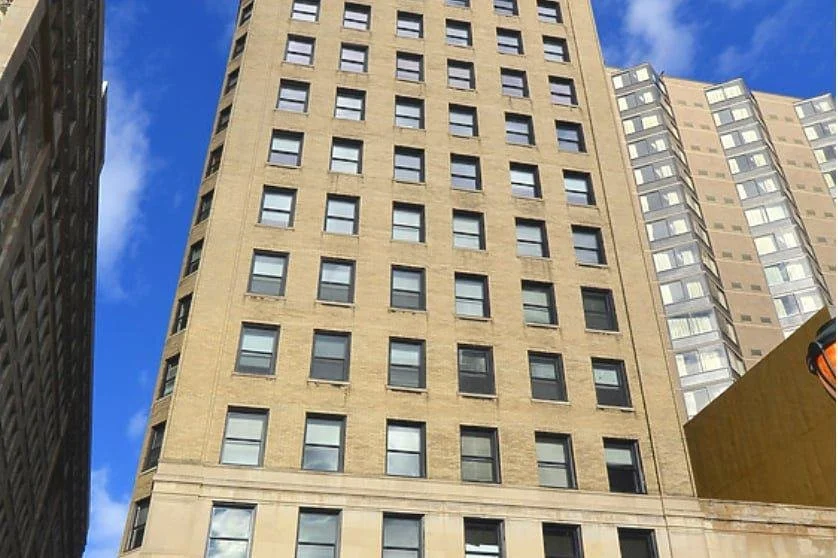
Philadelphia
1315 Walnut Street, Suite 802
Our Philadelphia office is in Center City at 1315 Walnut Street, in the heart of the Gayborhood, easy to reach from anywhere in the city.
Devon, Main Line
237 Lancaster Avenue, Suite 253
Our Devon office serves families across the Main Line, including Wayne, Villanova, Ardmore, Bryn Mawr, Haverford, Radnor, Berwyn, and the surrounding towns.

Do you offer virtual therapy for body dysmorphia in Pennsylvania?
Yes, across the entire state. Some clients strongly prefer it for this work, since being seen is often the difficult part.
We are additionally licensed in NJ, DE, FL, MA, VA, SC, OH, and VT.
In their words
What colleagues and clients say
-
![""]()
I’ve had the opportunity to collaborate with this practice professionally and have been consistently impressed by their team. Their therapists are incredibly knowledgeable, compassionate, and impactful in the eating disorder space. I always feel confident working with Colleen and her team. If you're looking for an eating disorder therapist, look no further!
– Hannah Pfohl
-
![""]()
Colleen and her team at Wildflower Therapy are experts in eating disorder therapy and truly understand what it means to be neurodiversity affirming. They are also expert at understanding the nuances that come with providing quality care for folks navigating IVF, infertility, and other reproductive care concerns. They are my go-to recommendation for eating disorder therapists in Center City, Philadelphia- relatable, smart, down to earth, kind. You or your family member will be in good hands!
- Katie Fries
-
![""]()
As a Registered Dietitian working in the field of eating disorders, I work with (and refer to!) therapists every day. The entire team at Wildflower Therapy is such a warm, inviting, and talented group of individuals. I love sharing clients with the folks there because I know they are in the best hands possible. Wildflower Therapy is a special place that offers nonjudgmental, human-centered care like no other. If you are a clinician looking to refer (and make great friends in the process) or a client looking for a safe space to share your experiences, look no further!
- Emily Craft
-
![""]()
The team at Wildflower Therapy is incredible! They are so talented, compassionate and true experts in the field of eating disorders and body image. As a therapist myself I have shared clients with them and know first hand how helpful they are. I would absolutely not hesitate to send my own family here.
- Allyson Ford
-
![""]()
Colleen and her team are truly remarkable. Their compassion, competence, and caring when working with therapy clients is unmatched. Highly recommend!
- Nicole McNelis





Our clinicians
Meet Our Body Dysmorphia Therapists
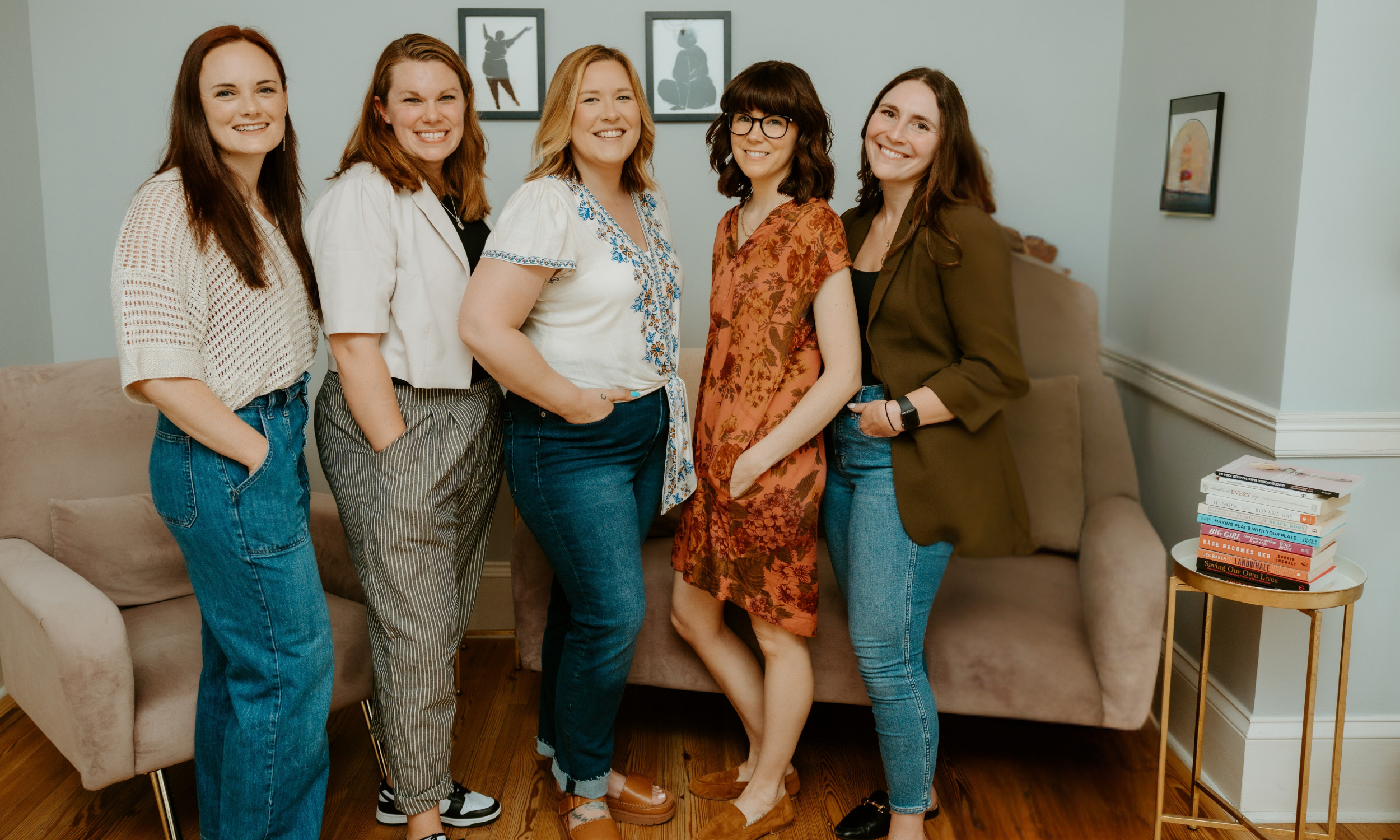
Our clinicians bring doctoral-level training, experience with obsessive and compulsive patterns, and deep eating disorder expertise. Get to know each therapist, their specializations, and their credentials on our team page.
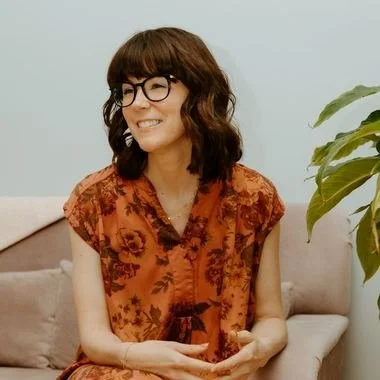
Dr. Colleen Reichmann
Psychologist, Founder
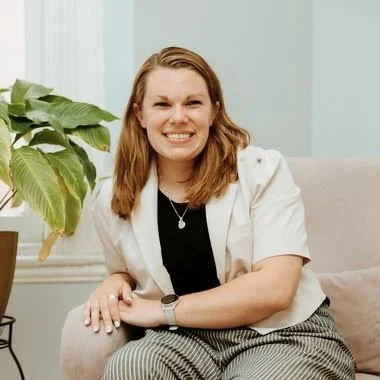
Samantha Palmer
LPC
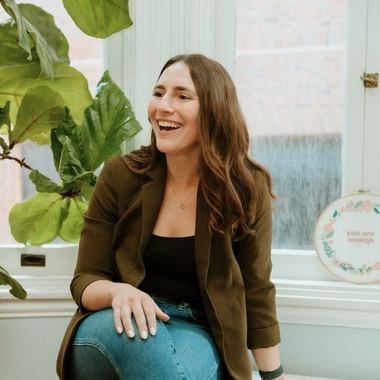
Dr. Ilana Levin
Psychologist, Supervisor
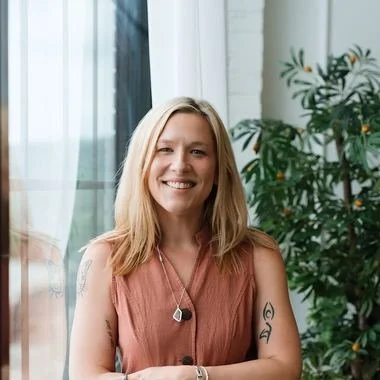
Zia Klein
LCSW
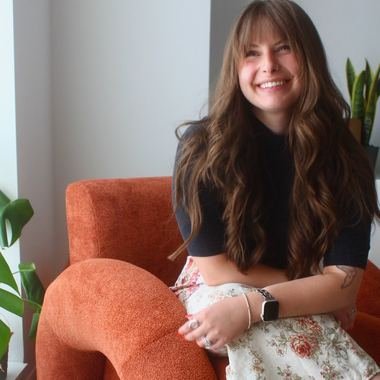
Dr. Yvette Karvay
Postdoctoral Fellow
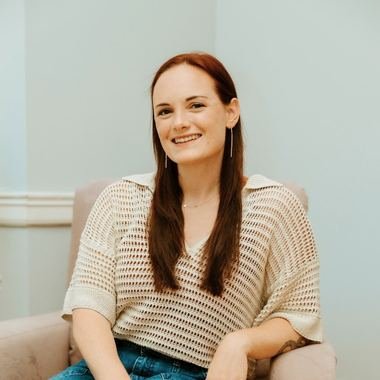
Casey Harvey
LCSW
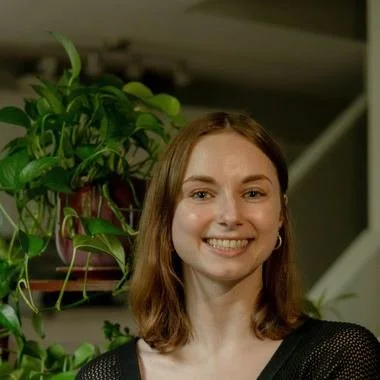
Dr. Brooke Schleyer
Postdoctoral Fellow

Erika Zaslow
LPC
Investment and Insurance
We are a private-pay practice, which lets us keep caseloads small and tailor treatment to you rather than to an insurance company's requirements. We provide superbills for out-of-network reimbursement, and many of our clients receive partial reimbursement from their plans. We will walk you through exactly how that works on your consultation call.
Three steps
Getting started is simple
Step one
Reach out
Contact us through our contact page or call (215) 668-9356 to schedule a free 30-minute consultation.
Step two
We match you
We will match you with the therapist on our team whose expertise best fits what you are navigating.
Step three
Begin
In person in Philadelphia or Devon, or virtually from anywhere in Pennsylvania.
-
Body dysmorphia, or body dysmorphic disorder, is a condition involving persistent preoccupation with perceived flaws in appearance that others cannot see or consider minor, along with repetitive behaviours such as checking, comparing, or camouflaging, and significant distress.
-
No. Body image concerns are common and tend to fluctuate. Body dysmorphia is more intrusive, usually focused on a specific feature, involves compulsive behaviours, and consumes significant time and distress.
-
Cognitive behavioral therapy adapted for BDD, incorporating exposure and response prevention, has the strongest evidence base. Several of our clinicians hold formal training in both.
-
It is classified separately, alongside obsessive-compulsive and related conditions. However, it overlaps substantially with eating disorders, and many people experience both at once.
-
Yes. Body dysmorphia responds to therapy that targets the preoccupation and the compulsive behaviours maintaining it, rather than the appearance concern itself.
-
Research consistently finds that relief from cosmetic intervention does not last, and the preoccupation tends to return or move to another feature. Therapy addresses the cycle underneath.
-
A form of body dysmorphia centred on not being muscular or lean enough. It affects a great many people, particularly men, and is under-recognized in eating disorder care.
-
Yes. Body dysmorphia often begins in adolescence, and we work with children from age five through adulthood.
-
We are a private-pay practice and provide superbills for out-of-network reimbursement. We will explain how it works on your free consultation.
Questions people ask us
Frequently asked questions

Start your journey here
Wildflower Therapy
1315 Walnut Street, Suite 802, Philadelphia, PA 19107
237 Lancaster Ave, Suite 253, Devon, PA 19333
(215) 668-9356
Free 30-minute consultation · Philadelphia, Devon, or virtual across PA