
How Do I Know If I Have Body Dysmorphic Disorder? Signs You May Need Support

Written by Dr. Colleen Reichmann (psychologist and clinical director of Wildflower Therapy)
As a psychologist who specializes in eating disorders, few things make me feel more bananas than hearing people write off body image struggles as vanity or “fluff” problems. Anyone who has ever experienced significant disordered eating, or enduring body image distress knows that there is a particular kind of exhaustion that comes from these struggles. When it comes to body image, that exhaustion can be all but invisible to others. It can involve thinking about your appearance all the time- haunting you 24 hours a day-though others around you may have no idea. You can be getting ready for work, sitting in a meeting, having dinner with friends, or enjoying a beautiful Saturday afternoon with your family, and STILL-some part of your attention is always occupied by the same nagging thought about how you look.
Maybe the focus for you is skin. Your nose. Maybe it’s your stomach. The shape of your face. Whatever the area is, something about your appearance feels like it demands your attention every time you pass a mirror, catch your reflection in a window, or see a photograph of yourself that you weren't prepared for.
You might spend a surprising amount of time trying to figure out what other people see when they look at you, or repeatedly ask your partner whether something looks strange. You might also take many different photographs to find one you can tolerate whenever a situation for a picture arises. Or maybe you change your outfit three, four, seven times before leaving the house.
However it present, you probably have that belief, somewhere in the back of your mind, that you are spending far more energy on this than you want to. (Aka why you landed on this blog!)
And yet- knowing that doesn't necessarily make it easier to stop.
If any of this sounds familiar, you may have then taken things a step further and wondered whether you have body dysmorphic disorder (sometimes called body dysmorphia or BDD). I will be the first to say that it can be difficult to know where “ordinary body image struggles” end and something more consuming begins. So let’s talk about this with a hefty dose of nuance, shall we? I’m going to break down what body dysmorphic disorder can look like, how to recognize when appearance concerns may be interfering with your life, and then ultimately, when working with a therapist might be the next best step.
What Is Body Dysmorphic Disorder?
Body dysmorphic disorder (BDD) is a mental health condition involving persistent, distressing preoccupation with one or more perceived flaws in your appearance. These concerns may center on features that other people barely notice or that seem relatively minor to someone else. For the person experiencing them, however, the perceived flaw can feel enormous.
BDD can really range in how it presents. It might involve fears about weight or shape, or it might involve concerns about skin, facial features, or hair. Some folks with BDD struggle with obsessions related to muscle size or muscle to fat ratio. The focus can stay on one feature for years or shift from one perceived problem to another.
One of the hardest parts of body dysmorphia is how convincing the experience can feel. You might look in the mirror and feel certain that something about your appearance is wrong. And reassurance from a friend or partner may help for a few minutes, only for the worry to return when you see another damn photograph or catch a different angle in the mirror.
And hey- maybe you even recognize that your reaction seems disproportionate. But it still feels like something you are unable to shake.
Body dysmorphic disorder can affect people of any gender, age, or background. It often begins during adolescence, although adults can develop symptoms (or recognize a longstanding pattern that they hadn’t names in the past) much later in life.
Importantly, despite what the name might suggest, BDD isn't simply about being unhappy with your appearance. It involves a pattern of preoccupation and repetitive behaviors that can consume time, create distress, and interfere with everyday life.
How Do I Know If I Have Body Dysmorphic Disorder?
So there isn't a single moment when body image concerns officially become body dysmorphia. Assessment around when this line is crossed takes thoughtful attention to the intensity and life-interfering aspect of your specific psychological experience A mental health professional is usually the best person to assess the nature of your appearance-related thoughts, the behaviors that accompany them, and the impact they have on your life- and they are the ones that can then provide the diagnosis and recommendations for how to address it.
Still, there are some patterns worth paying attention to:
You think about a perceived flaw far more than you want to
Perhaps you wake up thinking about your skin and go to bed replaying how your face looked in a photograph. You may find yourself mentally examining a particular feature while you're trying to listen to someone, complete a task, or enjoy something that usually makes you happy.
The thoughts can feel intrusive. You may try to redirect your attention, remind yourself that your appearance isn't the most important thing about you, or promise yourself that tomorrow you won't spend so much time worrying. Then something catches your attention, and you're right back where you started.
With body dysmorphic disorder, appearance concerns can take up a substantial amount of time and mental energy. You may find it difficult to concentrate because part of your mind is busy evaluating, analyzing, or trying to solve what feels like an urgent problem with your appearance.
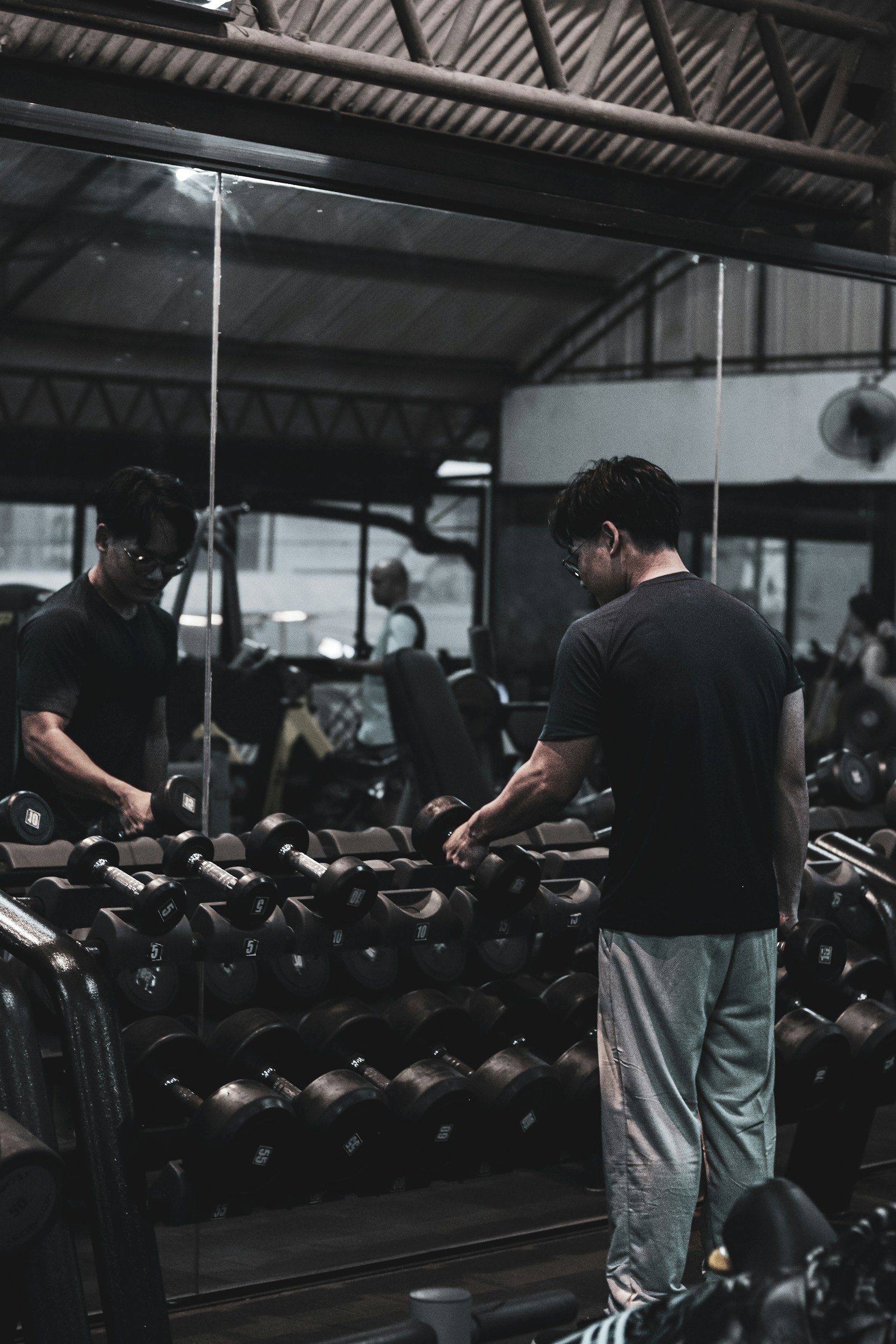
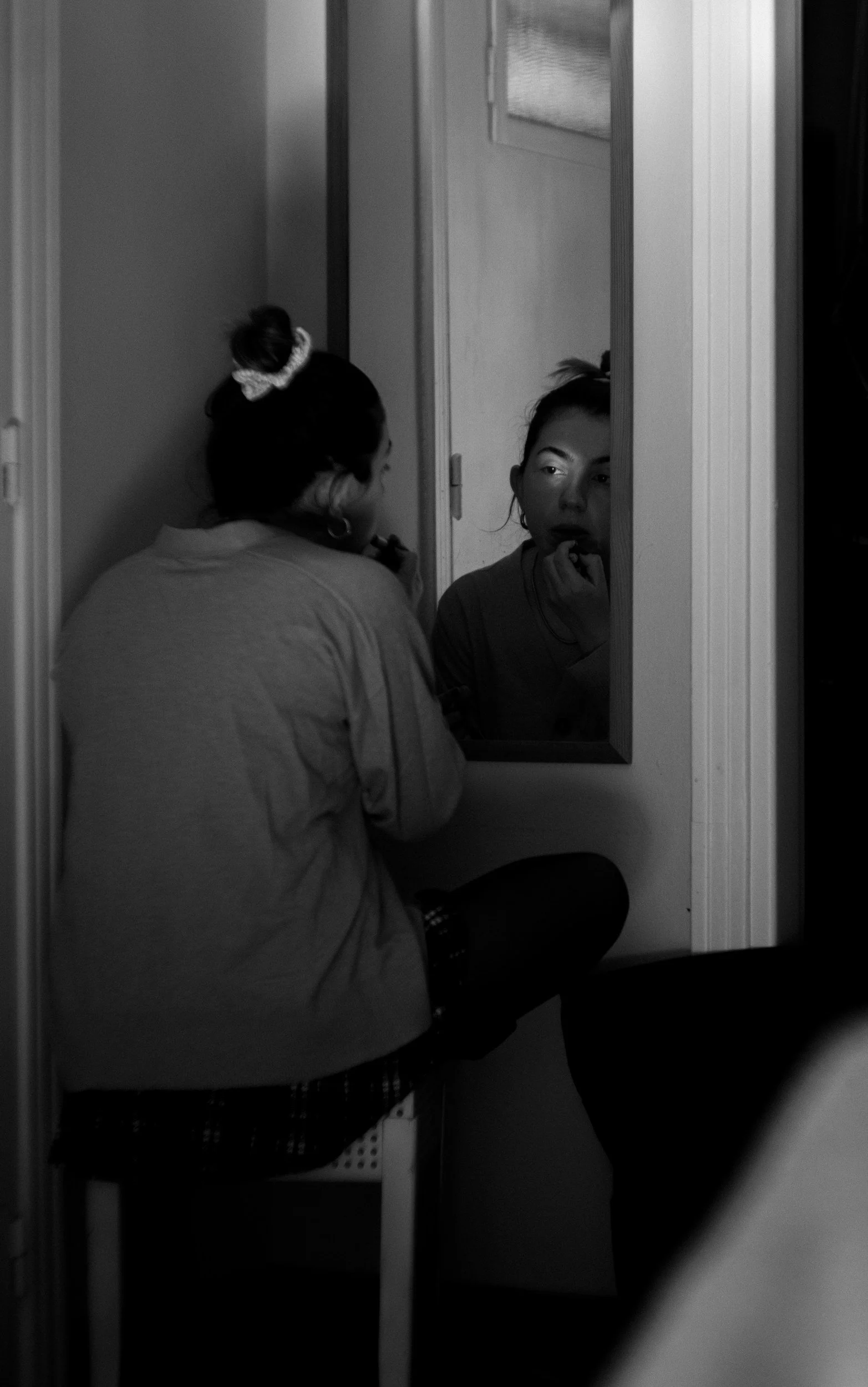
You check the mirror repeatedly (or avoid it altogether!)
For some people, the mirror becomes a place to search for evidence. You might examine your face under different lighting, turn from side to side, zoom in on photographs, or repeatedly check whether a feature looks as bad as you fear it does.
You may tell yourself that if you can just get a clear look, find the right angle, or figure out exactly what is bothering you, you'll finally be able to move on.
Other people respond in the opposite way. Mirrors, photographs, reflective windows, and video calls become things to avoid. You might cover mirrors, position yourself away from cameras, or feel distressed when someone takes an unexpected picture.
Some people move between the two. They check repeatedly, feel worse afterward, and then avoid looking for a while until the uncertainty becomes uncomfortable enough to start checking again.
To sum up and long and short of it here-if your relationship with mirrors feels increasingly complicated, it IS worth exploring with a therapist. It’s not vanity, fluff, or insignificant. It can take a huge toll on the quality of your life!
You compare yourself to other people and struggle to let it go
Comparison is practically built into modern life. We encounter faces, bodies, and carefully selected images throughout the day, and most of us have moments when we wish we looked a little different. But with body dysmorphic disorder, comparison can become much more consuming.
You might study another person's features and compare them with your own. You may notice the way someone looks in a photograph, wonder whether other people find them more attractive, or become preoccupied with what you imagine they have that you lack.
Social media can give this process an endless supply of new material. Filters, editing, carefully chosen angles, and appearance-focused content can make it particularly difficult to stop evaluating yourself against an ever-changing standard.
The comparison may happen automatically, even when you're tired of doing it. You might recognize that it makes you feel worse and still find yourself returning to it.
You repeatedly seek reassurance about how you look
You might ask your partner whether your nose looks strange, whether your skin looks bad, or whether an outfit makes a particular feature more noticeable. Perhaps you ask a friend to look at a photograph before you post it, or you repeatedly check whether someone is being honest when they tell you that you look fine.
Reassurance can bring temporary relief. For a little while, you may feel less anxious and more able to carry on with your day.
But when the doubt returns, you may feel compelled to ask again. Eventually, the people close to you can become part of the cycle, even though everyone involved is trying to help.
This can be especially painful in relationships. You may feel embarrassed about needing reassurance so often, while your partner may struggle to understand why their answers never seem to settle the question for long.
A therapist can help you understand this pattern without blaming you or the people who care about you.
Getting ready takes much longer than you expect
Maybe you spend an hour trying different outfits because each one seems to emphasize a feature you dislike. You might repeatedly apply and remove makeup, adjust your hair, conceal your skin, or change how you stand and move so that certain parts of your body are less noticeable.
You may plan your day around how you expect to look. A meeting, dinner, school event, or social gathering can become stressful because you don't feel prepared to be seen.
Some people develop elaborate routines that make leaving the house possible. Others cancel plans when they cannot get comfortable with their appearance.
Over time, the preparation itself can become exhausting. So can the anticipation of having to do it all again tomorrow.
You avoid things you would otherwise enjoy
This is one of the most important signs to notice.
Maybe you avoid photographs at family gatherings because you don't want to see how you look afterward. You might decline invitations, feel anxious about dating, avoid the gym, or dread attending an event where you expect to be photographed.
You may find yourself choosing seats based on the lighting, avoiding video calls, or spending an entire social occasion wondering how you appear to the people around you.
From the outside, these decisions may look like ordinary preferences. You might even explain them away as being tired, busy, or simply not in the mood.
But if appearance-related distress is making your world smaller, it deserves attention.
You deserve to participate in your own life without having to resolve every concern about your appearance before you can leave the house.
Is It Body Dysmorphia or Low Self-Esteem?
This is a question many people ask when they begin exploring their relationship with their appearance. Low self-esteem and body image dissatisfaction can involve feeling unattractive, comparing yourself to others, or wishing certain things about your appearance were different. These experiences can be painful, and they don't necessarily indicate a mental health disorder.
Body dysmorphic disorder involves a more persistent pattern of preoccupation with perceived flaws, often accompanied by repetitive behaviors such as checking, comparing, grooming, or seeking reassurance. The thoughts and behaviors cause significant distress or interfere with everyday functioning.
And please know, that distinction isn't always obvious! Someone can have low self-esteem and BDD, and appearance concerns can also occur alongside anxiety, depression, obsessive-compulsive disorder, or an eating disorder.
You don't have to figure out the exact label on your own before asking for help. If you're spending a great deal of time thinking about how you look, or your appearance concerns are affecting your relationships, work, school, or social life, a therapist can help you understand what is happening.
What If I Know My Appearance Concerns Are Taking Over, but I Still Believe the Flaw Is Real?
This can be one of the most frustrating parts of body dysmorphic disorder.
You may understand that your preoccupation is interfering with your life. You recognize that you spend too much time checking, comparing, or asking for reassurance. Maybe you even read the social media post about body image being mood-dependent, so you’re able to name that the feature you focus on bothers you more sometimes depending on your mood.
And yet-the concern still feels SO present, and something that you just cannot talk your way out of.
This is one reason body dysmorphia can be so isolating. The distress is real, even when you’re able to name that intellectually that appearance shouldn’t impact you this much. And to top it off, other people in your life often simply don't understand the intensity of it.
In therapy, you don't need to convince your therapist that your appearance is good, and you shouldn't have to spend sessions defending why a particular feature bothers you. You are also allowed to struggle, even when you can intellectually verbalize why this all feels out of proportion or irrational. Your therapist knows that the work in sessions will be around understanding the distress, breaking down what has happened in that you now focus the on perceived flaws to this degree, delving into underlying self-esteem or self-worth struggles, and tackling/changing the habits that keep the worry going.
Therapy around BDD is actually less about body image in general, and more about creating the freedom attend to other things, and take more values-aligned actions.
Can Body Dysmorphic Disorder Overlap With an Eating Disorder?
YES. A loud, resounding yes here. Body dysmorphic disorder and eating disorders can occur together, and the relationship between appearance concerns, food, and body image can be complicated.
Someone with an eating disorder may experience intense distress about weight, shape, or eating. Someone with BDD may become preoccupied with a specific feature of their face or body, perceived asymmetry, skin concerns, or other aspects of appearance. There can be overlap, and a person's difficulties don't always fit neatly into one category.
For example, you might spend hours thinking about your stomach, feel distressed after eating, and repeatedly compare your body with other people's. Depending on the broader pattern of symptoms, this could point toward an eating disorder, BDD, or concerns that warrant assessment for both.
The important thing is to find a clinician who can look at the whole picture rather than assuming that every appearance concern has the same explanation.
At Wildflower Therapy, our work with eating disorders and body image gives us a foundation for understanding how appearance-related distress can intersect with food, self-worth, anxiety, and the pressures people experience around their bodies.
When Should I Look for a Body Dysmorphia Therapist?
You don't need to wait until your distress becomes unbearable before reaching out to a therapist.
It may be time to seek support if appearance-related thoughts are taking up a large part of your day, if you feel compelled to check or compare repeatedly, or if you are avoiding people and experiences because you don't feel comfortable with how you look.
Perhaps you've tried to reassure yourself, reduce your time on social media, or promise yourself that you'll stop examining a particular feature. Maybe you have spent years assuming that you'll feel better once you change something about your appearance.
If the same worries keep returning, therapy can help you explore what is maintaining the cycle and develop a different relationship with those thoughts and behaviors.
You can also seek an opinion via a consultation call with a therapist, even if you aren't sure whether you have body dysmorphic disorder. This initial consultation call can be a place to describe your experience, ask questions, and here about the therapists opinion about whether moving forward with a more formal assessment could be useful.
What does therapy for body dysmorphic disorder involve?
Treatment for BDD often includes specialized cognitive behavioral therapy (CBT), which can help people understand the relationship between their thoughts, emotions, attention, and behaviors. Depending on the person's needs, treatment may incorporate exposure and response prevention (ERP), a therapeutic approach that involves gradually facing anxiety-provoking situations while reducing repetitive behaviors that maintain the distress.
For example, therapy might help someone understand why they repeatedly check their reflection before leaving home, and work toward getting ready without returning to the mirror again and again. Someone who avoids photographs may gradually work on tolerating the discomfort associated with being photographed, with the support of a therapist.
The pace and focus of treatment depend on the individual. A therapist will work with you to understand your particular concerns, identify meaningful goals, and determine what approach is appropriate. Medication may also be worth discussing with a qualified prescriber, depending on the severity of symptoms and your circumstances.
I think the most important take away I want whoever is reading this to have is that effective treatment CAN help people spend less time caught up in appearance concerns and greatly improve their ability to participate more fully in their lives!

Finding a Body Dysmorphia Therapist in Philadelphia or on the Main Line
I get it. I cannot tell you how much I get it. Looking for a therapist who understands body dysmorphic disorder can feel like YET another task to navigate, when you're already exhausted by your thoughts about your appearance.
You want someone who understands the difference between general body image concerns and the more persistent, repetitive patterns associated with BDD. You also want a therapist who can talk about appearance distress without reducing everything to confidence, toxic positive thinking, or cheerleader-y statements about loving your reflection.
If you're searching for a body dysmorphia therapist in Philadelphia or on the Main Line, please know that we would be honored to be considered. This is one of our passion areas, AND one of our main clinical expertise areas. At Wildflower Therapy, we provide specialized therapy for eating disorders and body image concerns, with in-person services in Philadelphia and Devon, serving the Main Line, as well as virtual therapy options for clients located in the states where our clinicians are licensed.
We deeply understand that concerns about appearance can become intertwined with anxiety, depression, relationships, food, self-esteem, and/or OCD/OCD-adjacent cognitions. Therapy offers space to explore the intersections of these experiences with curiosity and care, and to work toward having more room for the parts of life that matter to you.
If you're looking for a body dysmorphia therapist in Philadelphia or on the Main Line, you can learn more about our approach here, or reach out here to schedule a consultation with the practice director. (Hi! That’s me. Dr. Colleen Reichmann.)
You don't need to arrive at that call with a perfectly articulated explanation of what's happening. You can start with something as simple as, "I spend so much time thinking about how I look, and I don't know how to make it stop." Let us take it from there.
We can promise there will be no judgements. No toxic positivity. No quick-fixes that sound like they come from a pinterest worksheet that you already saw. Just attuned, intentional listening and care on our part, a feeling of safety in sharing your struggle, and a creative, individualized approach if you decide to move forward with us. You are welcome here.